
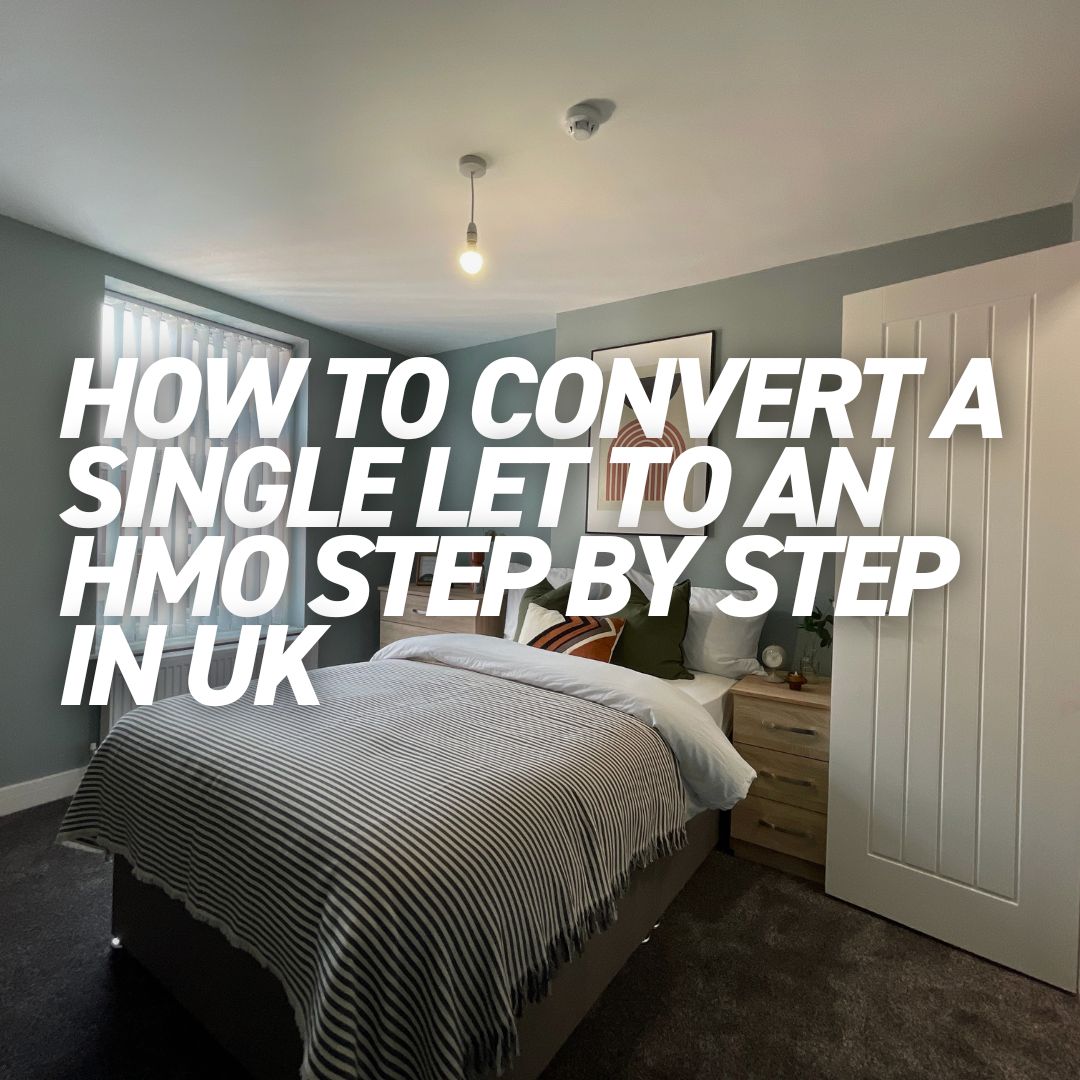

How to Convert a Single Let to an HMO Step by Step Guide UK
Converting a single let property into a House in Multiple Occupation is one of the most common strategies UK property investors use to increase rental income and long term asset value. By letting rooms individually rather than renting the property to one household, landlords can significantly improve monthly cash flow while meeting strong demand from students and working professionals.
HMO conversion is not just about higher rent. It requires careful planning, compliance with licensing and building regulations, and a clear understanding of costs and timelines. This guide explains how to convert a single let to an HMO in the UK, step by step, with a practical focus on compliance, yields and investor decision making. It is particularly relevant for investors targeting high demand regions such as the North West, including Manchester and Liverpool, as well as overseas investors from Singapore and Hong Kong seeking hands off UK property investing.
What Is an HMO and Why Convert a Single Let
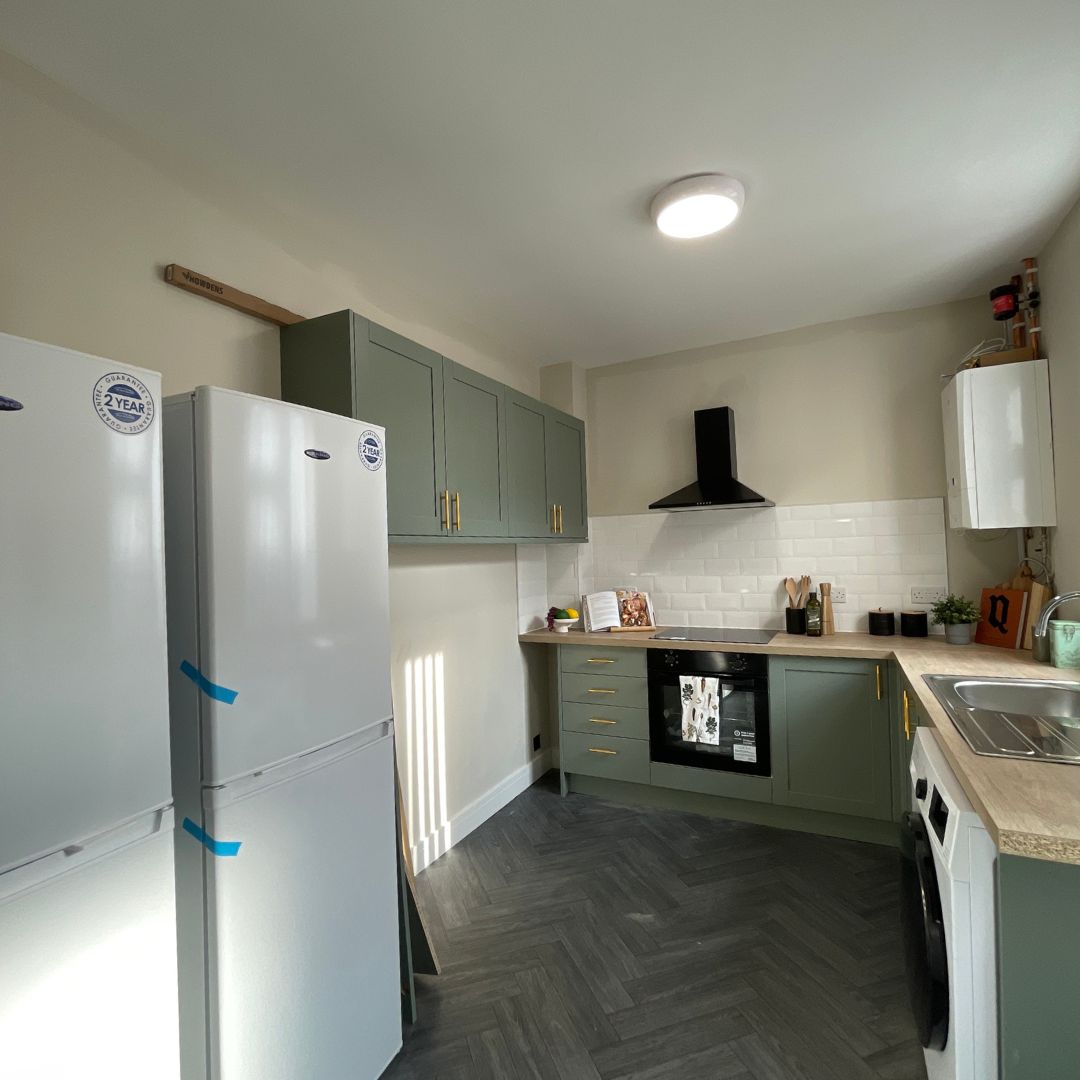
An HMO is a property rented to three or more people from more than one household who share facilities such as a kitchen or bathroom. This can include professional house shares, student accommodation and other forms of shared living. HMOs are legally defined under housing legislation and are subject to specific licensing and safety standards.
A single let property is typically rented under an assured shorthold tenancy to one household. While this offers simplicity, the rental income is usually capped by local market rents. In contrast, an HMO generates income per room, which often results in a higher total monthly rent.
For example, a three bedroom single let might achieve a fixed monthly rent, while the same property converted into a four or five bedroom HMO can produce a higher combined income even after accounting for management and running costs.
Key drivers behind HMO demand include:
• Growing professional rental markets in city centres
• Strong student populations near universities
• Affordability pressures pushing renters toward shared accommodation
• A mobile workforce seeking flexible rental options
For investors, this demand translates into higher yields and more resilient occupancy. This is why HMO investment in the UK continues to attract both domestic and overseas capital.
Step 1 Assessing Property Suitability
Not every single let is suitable for conversion into an HMO. The first step is a feasibility assessment that considers layout, size and compliance potential.
You should review whether the property can comfortably accommodate multiple bedrooms while meeting minimum room size standards set by local councils. Ventilation, natural light and access to shared facilities all affect suitability and tenant appeal.
Structural considerations are also important. Fire escape routes must be practical and compliant, staircases must be safe, and there needs to be space for additional bathrooms or en suites if required.
A basic suitability checklist includes:
• Ability to meet minimum bedroom sizes
• Sufficient ceiling heights throughout
• Space for shared kitchen and living areas
• Logical fire escape routes
• Adequate plumbing and drainage capacity
• External amenity space where required by the council
Properties with awkward layouts, limited floor area or restrictive planning constraints may not be cost effective to convert.
Step 2 Planning Permission and Article 4
Planning permission is one of the most misunderstood aspects of HMO conversion. In England, small HMOs with up to six occupants fall under a different planning use class than standard family homes.
A change from a single dwelling to a small HMO may not require planning permission unless the property is located in an area covered by an Article 4 Direction. Article 4 removes permitted development rights, meaning planning consent is required even for small HMOs.
Many local authorities have introduced Article 4 Directions in areas with high concentrations of shared housing. Manchester and Liverpool are common examples, particularly in central and student heavy zones.
Key planning considerations include:
• Whether the property is within an Article 4 area
• Local council HMO density policies
• Impact on parking and local amenities
• Likely planning approval timeframes
Planning approval can take several weeks or longer depending on the council. For investors, planning risk should be assessed before purchase or conversion works begin, as refusal can significantly affect projected returns.
Step 3 HMO Licensing Requirements
Most HMOs in the UK require a licence from the local council. Mandatory HMO licensing applies to properties with five or more occupants forming more than one household and sharing facilities.
In addition to mandatory licensing, some councils operate additional or selective licensing schemes that apply to smaller HMOs or all rental properties in certain areas.
Licensing requirements vary by local authority but typically include:
• Detailed floor plans
• Fire safety certification
• Gas and electrical safety certificates
• Proof of minimum room sizes
• Management arrangements and fit and proper person checks
For overseas investors, licensing provides reassurance that the property meets legal standards and reduces long term compliance risk. A properly licensed HMO is also more attractive to lenders and professional managing agents.
Step 4 Building Regulations and Safety Compliance
Compliance with building regulations and safety standards is central to any HMO conversion. Councils take enforcement seriously, and non compliant properties risk fines or licence refusal.
Fire safety is the most critical area. HMOs must have adequate fire protection measures designed to allow occupants to escape safely.
Typical fire safety requirements include:
• Fire resistant internal doors to bedrooms and high risk areas
• Interlinked mains powered smoke and heat alarms
• Emergency lighting in escape routes where required
• Fire blankets and clear signage
Electrical safety checks and gas safety certification are mandatory. Councils also assess occupancy density, ensuring that the number of tenants is appropriate for the size of the property.
Bathroom and kitchen provision must match the number of occupants. Soundproofing between rooms and floors is often required to meet minimum amenity standards and reduce tenant complaints.
While accessibility requirements depend on the property and council guidance, inclusive design is increasingly encouraged, particularly in larger HMOs.

Step 5 Conversion Costs and Investment Budgeting
HMO conversion costs in the UK vary widely depending on property condition, layout changes and compliance requirements. Budgeting accurately is essential to ensure the project remains profitable.
Typical cost categories include:
• Construction and refurbishment works
• Fire safety upgrades
• Professional fees such as architects and consultants
• Planning and licensing fees
• Furniture and furnishings
• Contingency allowance
As a broad guide, a lower cost conversion may involve minimal layout changes and cosmetic upgrades, while a higher cost project may include structural alterations, additional bathrooms and full fire safety systems.
Investors should always allow a contingency fund to cover unforeseen issues uncovered during works. Underestimating costs is one of the most common reasons HMO projects underperform.
Step 6 Timeline and Project Management
An HMO conversion typically takes between eight and twenty weeks from start to finish, depending on complexity and planning requirements.
The process usually includes:
• Initial design and compliance planning
• Approval and licensing preparation
• Construction and refurbishment
• Safety inspections and certification
• Final snagging and handover
Effective project management is critical, particularly when coordinating multiple trades and inspections. For overseas investors, managing a conversion remotely can be challenging without a trusted local partner.
A managed service ensures works are delivered on time, documentation is complete and the property is handed over tenant ready without the need for physical presence.
Step 7 ROI Single Let vs HMO Yield Comparison
The primary motivation for converting a single let to an HMO is improved return on investment. While management costs are higher, the income uplift often outweighs the additional expenses.
In many North West locations, HMOs achieve stronger yields due to high tenant demand and relatively affordable property prices. Professional tenants and students provide consistent occupancy when the property is well located and properly managed.
Key factors affecting HMO yields include:
• Number of lettable rooms
• Room sizes and en suite provision
• Local rental demand
• Quality of refurbishment and management
While HMOs require more active management, they can offer greater income stability through diversified rental streams rather than reliance on a single tenant.
Common Mistakes That Reduce Profitability
Many investors underestimate the complexity of HMO conversion. Common mistakes include failing to check planning restrictions before purchase, under budgeting for compliance works, or designing poor room layouts that limit rentability.
Other issues include choosing the wrong tenant demographic for the location or over improving the property without achieving higher rents.
Avoiding these mistakes requires thorough feasibility assessment, realistic budgeting and professional guidance throughout the process.
Frequently Asked Questions
Do I need planning permission to convert to an HMO?
Planning permission depends on whether the property is in an Article 4 area and the number of occupants. Always check local council policies before proceeding.
How much does an HMO conversion cost in the UK?
Costs vary based on property condition and compliance requirements. Budgets should include works, fees and a contingency allowance.
Do all HMOs need licences?
Most HMOs require a licence, either mandatory or through local additional schemes. Requirements vary by council.
How long does it take to convert a property to an HMO?
Most projects take roughly 20-24 weeks, depending on complexity and approvals.
Is converting to an HMO worth it?
For many investors, HMOs offer higher yields and strong demand, but success depends on proper planning and compliance.
How Parata Property Helps Investors Convert HMOs
Parata Property supports investors through every stage of the HMO conversion process. From initial feasibility assessments and planning guidance to full refurbishment and project management, the focus is on delivering compliant, tenant ready properties that maximise yield.
For overseas investors from Singapore and Hong Kong, Parata Property provides a fully managed and hands off service, ensuring compliance, documentation and delivery without the need for local involvement.
If you are considering converting a single let into an HMO and want expert support from feasibility to completion, Parata Property can help you achieve stronger returns with confidence.


